Bio
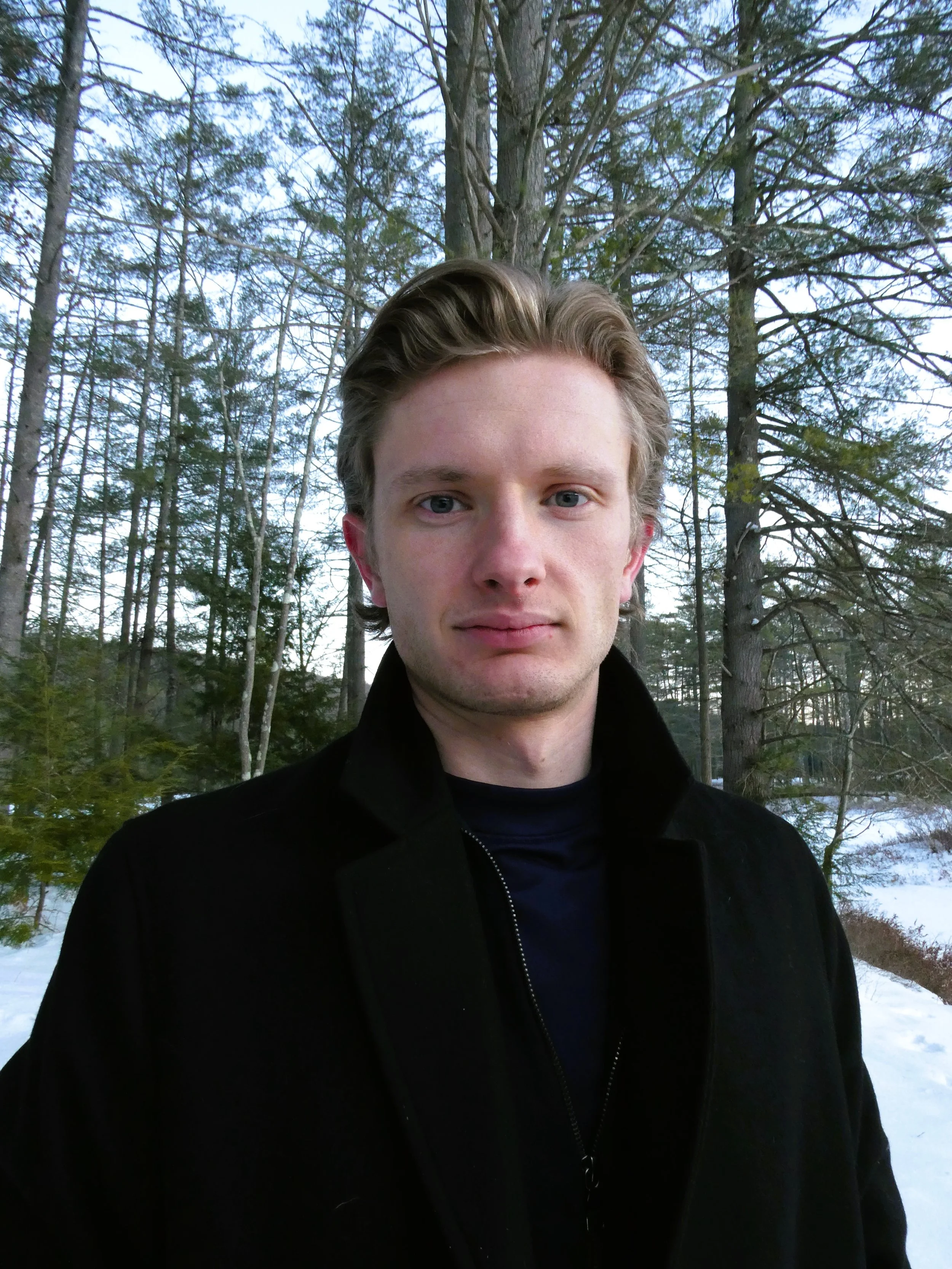
As a Report for America corps member at the NPR-affiliate WAER Syracuse Public Media, de Castro produces produces longform written stories and radio pieces about public health and health care in Central New York communities. He also regularly works with journalism students at Syracuse University’s Newhouse School of Communications, where he is a staff member.
Previously de Castro was at The Keene Sentinel, where he lead the Monadnock Region Health Reporting Lab, a newsroom journalism innovation project focused on investigative and solutions health reporting. In this role, he has reported extensively on how federal changes to the social safety net affect local communities in New Hampshire, and has built a network of sources that range from county administrators to members of Congress. Part of his reporting process is publishing The Check Up, a health journalism newsletter with roughly 1,000 subscribers. His reporting is frequently republished through the Granite State News Collaborative, a statewide nonprofit network of news organizations. His report on the closure of a local birth center won the New England Newspaper and Press Association’s 2026 award for multimedia journalism.
De Castro got his start at The Ithacan, Ithaca College’s award-winning student newsroom. While serving as News Editor and Senior Reporter, De Castro reported blockbuster investigative stories on topics including collegiate presidential compensation, the college’s use of artificial turf containing toxic chemicals, and flaws within the U.S. News and World Report’s college ranking system. While a student of the Park Center for Independent Media, he served as an editorial intern at The Progressive.
After graduating in 2023 from Ithaca College with a bachelor’s degree in journalism, de Castro was a Report for America corps member in South Carolina covering rural communities in the Lowcountry region for The People Sentinel. There, he reported on local politics and elections, gun violence, systemic poverty, and environmental health issues in Allendale County, the most rural county in the state. While there, he developed a long-standing interest in how federal social safety net policy affects the lived experience of local communities and politics. His report on the rural health care crisis won the South Carolina Press Association’s first place award for longform journalism.
In 2024, he was a climate solutions journalism fellow at the Solutions Journalism Network. In this role, he reported on local responses to climate change. This ranged from the growing utilization of artificial intelligence in agriculture to community air monitoring projects used to address fine particle pollution. He also became an accredited solutions journalism trainer, and has taught newsrooms the solutions journalism process.
He is a member of Investigative Reporters and Editors, the Society of Environmental Journalists, and the Association of Health Care Journalists. His byline has also appeared in The Trace, Drop Site News, Sierra Magazine, The Progressive, and Tompkins Weekly.